
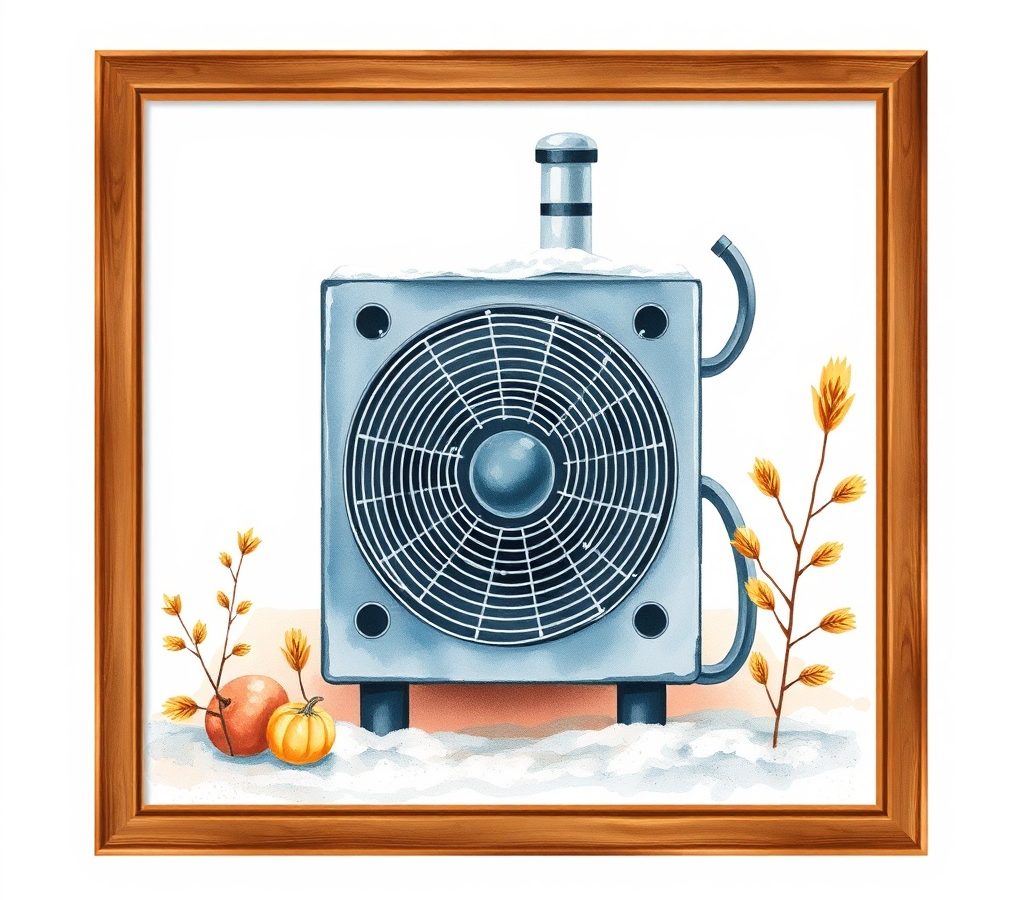
7 Essential Tips for Maintaining Your HVAC Before Winter

7 Essential Tips for Maintaining Your HVAC Before Winter
As the temperatures begin to drop and the leaves turn brown, most homeowners start thinking about pulling out their heavy blankets and sweaters. However, there is one critical step that often gets overlooked during this seasonal transition: preparing your home heating system. Taking the time to perform an Essential checkup on your HVAC unit now can save you from significant headaches, unexpected repair bills, and a freezing house when the first deep freeze hits.
When your system has been sitting idle for months, dust, debris, and mechanical wear can take a toll. A well-maintained system runs more efficiently, lasts longer, and provides consistent comfort for your family. By following a proactive maintenance schedule, you ensure that your home remains a sanctuary regardless of how low the thermometer dips outside.
Change your air filters regularly
The most fundamental task in HVAC maintenance is the simple act of replacing your air filters. Over time, these filters trap dust, pet dander, pollen, and other airborne particles. When they become clogged, the airflow through your system is restricted, forcing the blower motor to work significantly harder than it was designed to.
Choose the right filter for your home
Not all filters are created equal. While high-efficiency filters are excellent at trapping tiny particles, they can also cause a significant pressure drop if your system is not designed to handle them. Check your owner manual to see the recommended MERV rating for your specific unit.
Establish a consistent replacement schedule
In many homes, a filter should be changed every 90 days. However, if you have pets, live in a dusty area, or suffer from allergies, you may need to swap them out every 30 to 60 days. Checking the filter monthly is a good habit to help you gauge how quickly your specific environment causes buildup.
Inspect the exterior unit for debris
Even if you have a furnace, many homeowners utilize heat pumps that involve outdoor components. Throughout the summer and fall, your outdoor unit can become a collection point for lawn clippings, fallen leaves, twigs, and dirt. This debris can block airflow and lead to overheating or reduced efficiency.
Clear the surrounding area
Take a walk around your outdoor unit and clear away any vegetation, shrubs, or weeds that have grown too close. You should aim to maintain a clearance of at least two feet around the entire unit. This ensures that the system can pull in enough air to operate correctly.
Remove internal obstructions
If you notice leaves or debris inside the metal casing of the unit, carefully remove them. You can often use a shop vacuum to gently clear out the internal area. Avoid using high-pressure water hoses, as they can bend the delicate aluminum fins or force water into sensitive electrical components.
Test your thermostat functionality
Your thermostat is the brain of your HVAC system. If it is calibrated incorrectly or experiencing battery issues, the rest of the system will not receive the right instructions. Before winter fully arrives, test your thermostat to ensure it is communicating properly with your furnace or heat pump.
Replace the batteries
Even if your thermostat is hard-wired to your home electrical system, many models contain a backup battery. If these batteries die, your thermostat might lose its programmed settings or fail to trigger the furnace when the temperature drops. Replacing these batteries now is an Essential part of your seasonal preparation.
Verify temperature accuracy
Place a secondary, reliable thermometer near your thermostat to see if the readings match. If there is a discrepancy of more than a few degrees, your thermostat may need to be recalibrated or replaced. A smart thermostat can also be checked via your mobile app to ensure it is responding to remote commands.
Examine your ductwork for leaks
Your furnace can work perfectly, but if the heated air escapes through holes or gaps in your ductwork, your home will never reach the desired temperature. Leaky ducts are one of the most common causes of high utility bills and uneven heating throughout a house.
Check accessible joints
Look at the ductwork in your attic, basement, or crawlspace. Check the connections where the ducts meet and look for areas where the foil tape or sealant has pulled away. If you feel air blowing out of a seam, that is a clear sign that you are losing heat before it even reaches your living space.
Seal gaps with proper materials
Small leaks can often be sealed with high-quality duct mastic or metal-backed tape. Avoid using standard gray cloth duct tape, as the adhesive dries out quickly and will eventually fall off. If you suspect your ducts are leaking significantly behind walls or in inaccessible areas, it may be time to call in a professional to perform a duct pressure test.
Clear all supply and return vents
It is common to rearrange furniture for the holidays or move items around for winter storage, but be careful not to block your vents. Your HVAC system relies on a balanced flow of air to function. When you place a sofa, rug, or bookshelf over a vent, you disrupt that balance.
Ensure unrestricted airflow
Walk through every room in your house and make sure that all supply registers are open and unobstructed. If you have return air grilles, ensure these are also free from furniture or heavy curtains. Blocking these vents can cause a pressure imbalance, which puts extra strain on your system and can even lead to frozen coils in some heat pump configurations.
Clean the vents
While you are checking for blockages, take a moment to vacuum the dust from the vent covers. Over time, dust buildup can restrict airflow and circulate allergens throughout your home. A clean vent ensures that your furnace is working as efficiently as possible.
Listen for unusual noises during start-up
As you prepare for the cold season, perform a test run of your heating system. Turn the thermostat up to a temperature that is a few degrees higher than the current room temperature and wait for the system to kick on. Pay close attention to the sounds it makes during the first few minutes of operation.
Identify common warning signs
A healthy system should hum quietly. If you hear banging, screeching, grinding, or rattling, these are often indicators of mechanical issues. A screeching sound might indicate a loose or worn belt, while a banging sound could suggest an issue with the ignition or burner assembly.
Do not ignore the signals
If you hear something out of the ordinary, do not wait for the weather to turn bitter to address it. Catching a mechanical issue now allows you to schedule a repair on your own terms. Ignoring these sounds often leads to a complete system failure during the coldest week of the year, which is when repair technicians are the busiest and parts are hardest to source.
Schedule a professional tune-up
While many maintenance tasks can be handled by a homeowner, there is no substitute for a professional inspection. An HVAC technician has the specialized tools and training to perform an Essential analysis of your system that goes far beyond a visual check.
What to expect from a technician
A professional will inspect the heat exchanger for cracks, test electrical connections, check gas pressures, and clean the burner assembly. A cracked heat exchanger is a particularly serious issue, as it can potentially leak carbon monoxide into your home. This is a safety risk that requires professional detection equipment.
The long-term value of expert care
Scheduling a tune-up before the season begins is an Essential strategy to extend the life of your unit. Technicians can identify worn components before they break, allowing you to replace parts incrementally rather than facing an entire system replacement prematurely. It is an investment in your home comfort and your long-term financial health.
Conclusion
Preparing your home for winter is a multi-faceted process, but your HVAC system should be at the top of your priority list. By changing your filters, clearing debris, checking your thermostat, and keeping an ear out for unusual noises, you can dramatically improve the reliability of your heating system.
When you take these steps, you are not just maintaining a machine; you are ensuring that your home remains a warm, safe, and comfortable environment for your family throughout the harshest months of the year. While a professional tune-up provides the highest level of security, consistent personal maintenance is the foundation of a healthy home. Take the time this weekend to go through this checklist, and you will be able to enjoy the winter season with complete peace of mind.