
Essential Winter Home Maintenance Checklist to Prevent Leaks

Essential Winter Home Maintenance Checklist to Prevent Leaks
As the temperature drops and the first frost settles on your windows, your home enters a season of unique environmental stress. Winter brings more than just cozy evenings; it introduces the threat of frozen pipes, ice dams, and moisture buildup that can lead to significant structural damage. Preparing your property before the deep freeze sets in is an Essential task for every homeowner. By taking proactive steps today, you can avoid the costly repairs and stress associated with water damage when the weather turns harsh.
Managing your exterior water sources
The most common cause of winter water damage is the expansion of freezing water within plumbing systems. When water turns to ice, it expands with enough force to burst metal or plastic pipes, leading to flooding once the thaw begins. Preventing this requires a systematic approach to your home exterior.
Disconnecting and draining outdoor faucets
The first step in your winterization process is addressing outdoor spigots. If a hose is left connected to a faucet, water can become trapped in the pipe between the valve and the nozzle. When this water freezes, the pressure travels backward into your home plumbing, often causing a pipe to burst inside a wall or crawlspace.
Disconnect all garden hoses and drain them completely before storing them in a shed or garage. If your home has shut-off valves for outdoor faucets located inside, turn those off and open the outdoor spigot to drain any remaining water. This simple step is an Essential part of protecting your home infrastructure from seasonal pressure.
Insulating exposed pipes in unheated areas
Pipes located in unheated areas like garages, basements, and crawlspaces are at the highest risk. These areas do not benefit from the ambient heat of your living space, making them susceptible to rapid temperature drops. Inspect these pipes to ensure they are properly insulated.
You can purchase foam pipe insulation sleeves at any hardware store. These are easy to install and provide a critical layer of protection against freezing temperatures. If you have particularly vulnerable pipes, consider adding heat tape, which provides a small amount of warmth to keep the water moving during extreme cold snaps.
Protecting the roof and gutter system
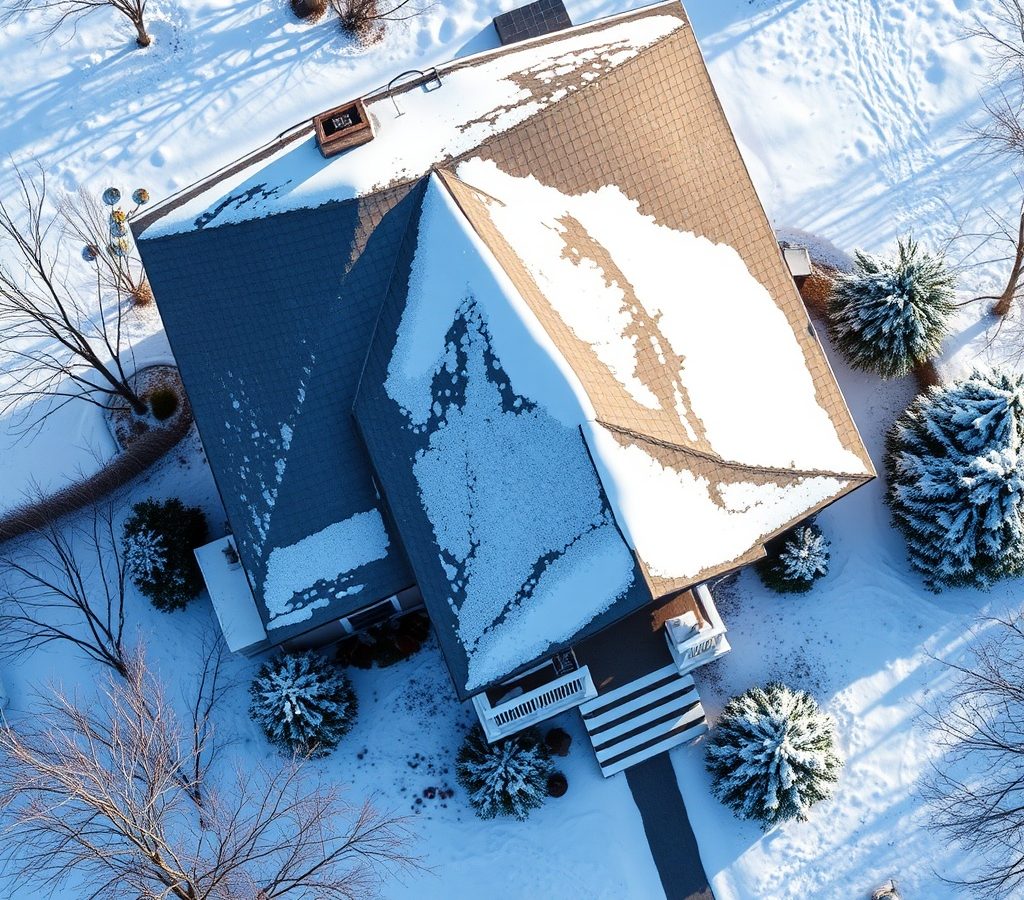
Your roof is your home first line of defense against the elements. During the winter, the primary concern is the formation of ice dams. These occur when heat from your home escapes into the attic, melting the snow on your roof. As that melted water runs down to the eaves, it hits the cold overhang and refreezes, creating a dam that pushes water back under your shingles.
Cleaning gutters and downspouts
Before the first snowfall, it is vital to clear your gutters of leaves, twigs, and debris. Clogged gutters prevent melting snow from flowing away from the house. When water pools in a blocked gutter and freezes, it adds significant weight to your roof structure and encourages ice dam formation.
Ensure that your downspouts are clear and that they direct water at least four to six feet away from your foundation. If water pools near your home exterior, it can seep into the soil and potentially find its way into your basement or crawlspace through cracks in the foundation.
Ventilating your attic space
Proper attic ventilation is the most effective way to prevent ice dams. By keeping your attic temperature as close to the outside air temperature as possible, you stop the snow on your roof from melting prematurely. Check your attic vents to ensure they are not blocked by insulation or stored boxes.
You should also inspect the seal around your attic hatch and any light fixtures that penetrate the ceiling. These small gaps allow warm, moist air to leak into the attic, contributing to heat loss. Sealing these leaks is an Essential strategy to maintain a cold roof surface and prevent long-term moisture issues.
Securing the home interior
While exterior maintenance is critical, your indoor habits during the winter months also play a significant role in preventing water damage. Managing humidity levels and monitoring your plumbing system can save you from unexpected leaks.
Monitoring indoor humidity levels
Winter air is naturally dry, but indoor activities like cooking, showering, and laundry can trap moisture inside your home. If this warm, moist air hits cold surfaces like windows or exterior walls, it creates condensation. Over time, this condensation can lead to mold growth and water damage to window frames and drywall.
Use exhaust fans in your bathrooms and kitchen to vent steam directly outside. If you notice persistent fog or water droplets on your windows, consider running a dehumidifier or simply ensuring your home has proper airflow. Small adjustments to your ventilation habits can prevent significant moisture buildup throughout the season.
Maintaining consistent heat
When you leave your home for an extended period during the winter, never turn the heat off completely. Even if you want to save on energy costs, keeping your thermostat set to at least 55 degrees Fahrenheit is an Essential requirement to keep the interior pipes from freezing.
If you have cabinets under your kitchen or bathroom sinks located on exterior walls, consider leaving the cabinet doors open during extreme cold. This allows the warm air from your home to circulate around the pipes, keeping them above the freezing point. It is a simple, low-effort technique that can prevent a catastrophic pipe burst.
Conducting a final seasonal walkthrough
As the winter season progresses, do not simply “set it and forget it.” Periodic checks of your property can help you catch small issues before they turn into expensive repairs. A quick walk around your home once a month can reveal a lot about how your property is handling the weather.
Inspecting for signs of water intrusion
Keep an eye out for telltale signs of water damage inside your home. Look for staining on ceilings, peeling paint near windows, or a musty smell in your basement. These can be early warnings of a roof leak or foundation moisture issues that need to be addressed before the next storm.
Outside, observe your downspouts after a light melt. If you see water spilling over the sides of the gutters or pooling against your foundation, clear the blockages immediately. Catching these problems early is the best way to ensure your home remains dry and sound throughout the coldest months of the year.
Conclusion
Preventing winter water damage is largely about preparation and vigilance. By disconnecting hoses, clearing gutters, insulating vulnerable pipes, and managing indoor humidity, you significantly reduce the risk of structural failure and flooding. These tasks may seem minor in isolation, but together they form a comprehensive defense strategy for your property.
Remember that the goal is to keep your home systems functioning correctly even when the environment is working against them. Taking the time to perform these maintenance steps now will provide you with peace of mind all winter long. By staying proactive, you can focus on enjoying the season rather than worrying about the potential for water damage, ensuring your home remains a safe and comfortable sanctuary until spring arrives.